

The following blog is part 1 of a series, and has been expanded from CTO Steven Ng’s recent article in Cleanroom Technology.
How should pharmaceutical manufacturers approach and evaluate the subject of Pharma 4.0, and implementing advanced, often cutting-edge technology on their filling lines? It’s a broad, pressing question for many, as manufacturers weigh the scope and demand of evolving products with the choice of retrofitting legacy lines versus implementing new barrier and filling line technology. The regulatory emphasis globally and domestically has favored the clear benefits of advanced solutions, as highlighted in the revised Annex 1 and current FDA guidance.
Industry 4.0, as a concept, originated as an acknowledgment of the growing role of digital and automated tools, both in the possibilities they presented and the way they transformed approaches to operations, processes, and data. First coined in 2011, the term spoke to the advent of a new era of innovative digital and data-driven technologies that would lead to new visions centered around agility, interconnectivity, and end-to-end holistic designs. The evidence of the movement is seen across the Life Sciences industry: Big Data, machine learning, artificial intelligence, robotics, and automation are all reshaping the conversations around operational infrastructure, efficiency, and best practices.
ISPE created the term Pharma 4.0™ as a way to crystallize where the trends and innovations of Industry 4.0 intersect with the challenges and priorities of the Life Sciences Industry. They identified that the movement towards automation, digitization, and comprehensive data frameworks should collectively work towards higher standards of drug product quality, where holistic, regulatory robust drug processes deliver innovative treatments to patients in the shortest time possible.
Comparatively, the life sciences industry has been slower than others in implementing Industry 4.0 practices and technology. And with good reason; the efficacy and quality of sterile manufacturing solutions take time to develop and validate. Regulatory bodies, to their credit, have played a pivotal leadership role by spearheading key initiatives to emphasize and support developing technologies (e.g., the FDA’s Emerging Technology Program and EMA’s Quality Innovation Group).
So, where does the industry find itself currently? How do manufacturers balance the clear direction of our industry towards automation and digitization with current operational and regulatory demands?
Digital Evolution of Fill-Finish Solutions
The engine of Pharma 4.0 is the principle and methodology ascribed in the concept of the Internet of Things (IoT), a transparent, interconnected network of broadly applicable advanced and smart technologies. The capabilities presented by IoT applications are what makes a holistic vision of pharmaceutical manufacturing possible. IoT references the previously unconnected facets of an operation—People, data, robotics, functions, processes, and monitoring—enabling them to work together. IoT empowers and augments these factors in a unified fashion where data is tabulated, accessible, and comprehensive, and monitoring and feedback can occur in real time.
A central aspect of the IoT relationship in the context of pharmaceutical manufacturing is the role of the operator. Human input will always be a valuable part of the manufacturing process. Ideally, Pharma 4.0 solutions should focus on practical ways to empower operators by removing risk and streamlining or altogether eliminating time-intensive procedures. In practice, this enables an approach to quality previously not accessible to pharmaceutical manufacturing, which has paved the way for many of the innovative medicines we see today.
5 Essential Questions for Evaluating Your Fill Line
Drug product manufacturers should consider the following questions when evaluating the possible implementation of Pharma 4.0 solutions.
Are you utilizing a modular, multi-product approach?
The emphasis on Pharma 4.0 has a clear correlation with the rise of modular, standardized technologies. The expectations surrounding new drug products and, in many cases, the necessary processing requirements are contingent on faster time to market and ultimately quicker delivery time to patients. As such, there’s been movement away from static, single-product operations to flexible, multi-product approaches that leverage standardized, modular technology. These modular solutions almost exclusively utilize automation, advanced programming, data retention, and process monitoring.
Are you automating high-risk processes?
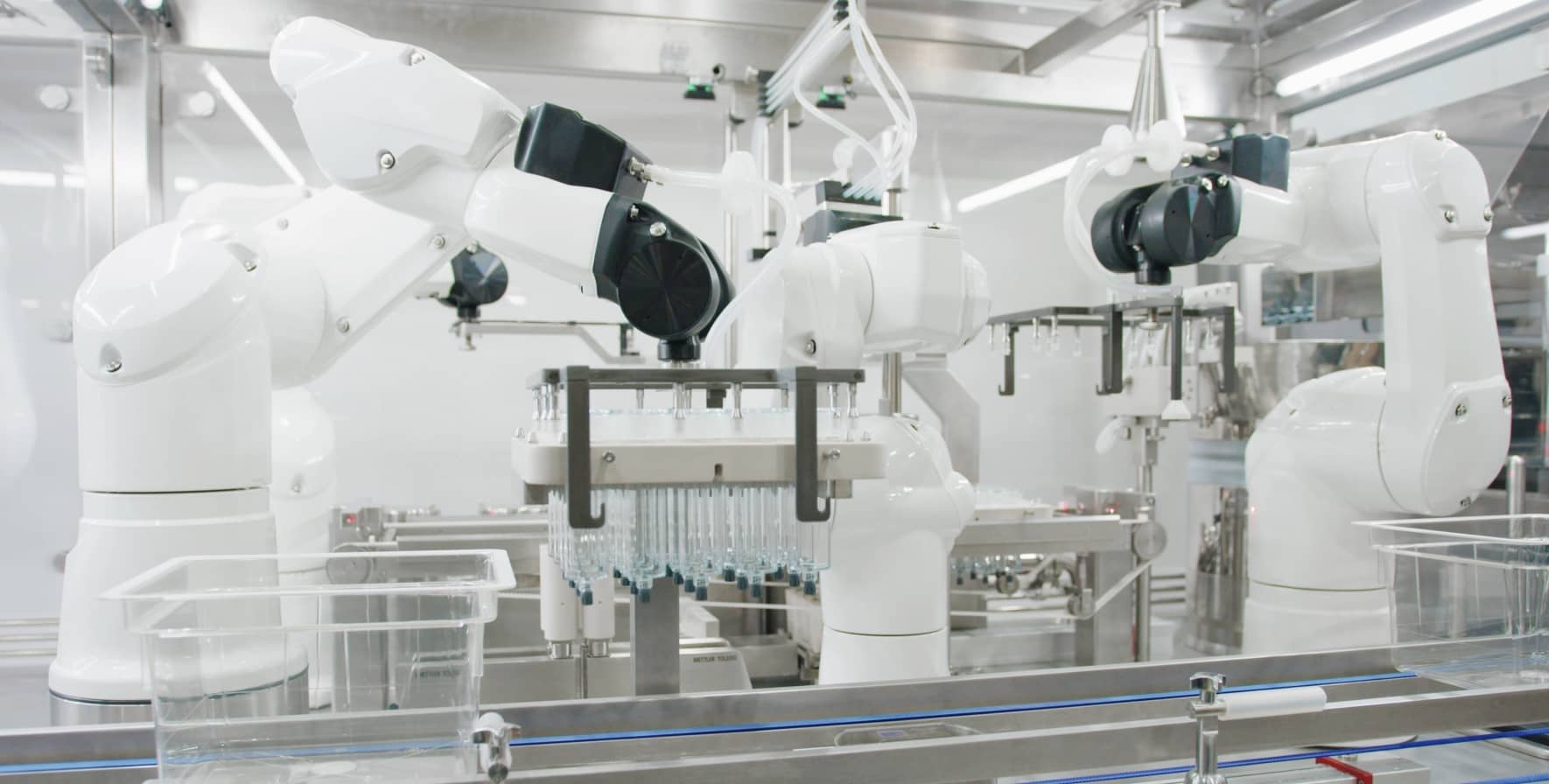
The regulatory migration towards automation and other advanced solutions centers around the demonstrable reduction of risk, and specifically the continued elimination of human intervention. Where human operators lack (the single largest source of contamination, aberrant repeatability, and varying accuracy), robotics and automation excel with aseptic builds, low-particle operation, high repeatability, and high accuracy. This is particularly important for interventions in grade A spaces, like material transfers, container handling, and environmental monitoring interventions.
Are you utilizing sensor and feedback technology?
With the increased momentum around patient-centered medicine, ensuring product quality is crucial. Advanced technologies are designed to provide a level of stewardship and control required by higher standards of processing and production. Functionally, this means that throughout production, the process, environment, and product are carefully monitored and reinforced end-to-end. This is accomplished by outfitting your facilities and equipment with smart technology and robust sensor and feedback instrumentation. This includes AI-assisted cameras and visual technologies for quality checks and necessary failsafes, vibration and load sensors, safety sensors to guard aseptic environments, and comprehensive in-process analytical technology.
How are you approaching decontamination?
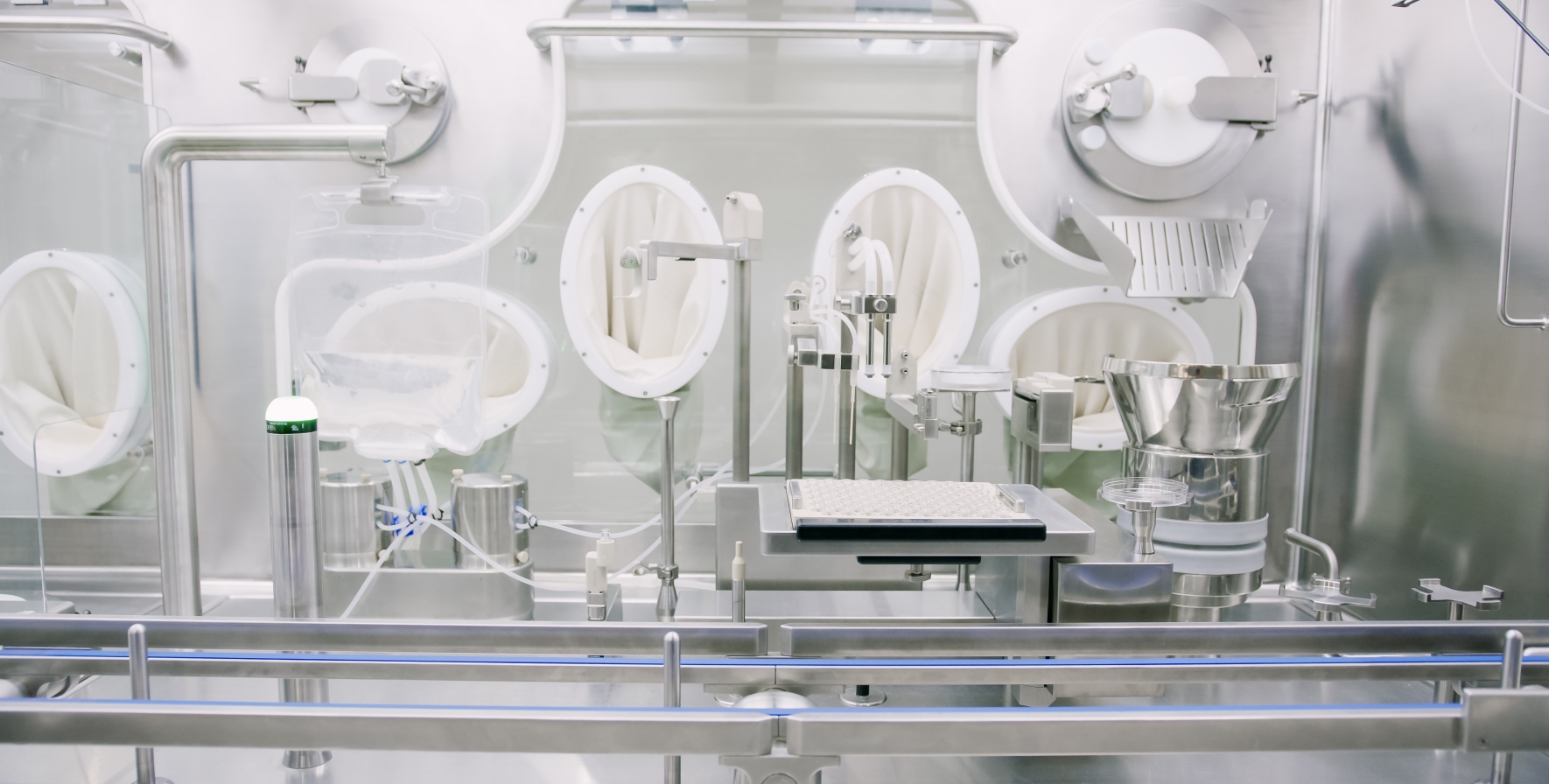
A key point of emphasis in Annex 1, beyond the general guidance to pursue automated solutions, is specific guidance on utilizing automated decontamination technology. A cycle application should be fully automated, with the method well understood and clearly validated. Additional designs should be implemented to ensure proper aeration, personnel safety, and, where possible, faster machine startup after decontamination procedures have been executed.
How are you integrating data?
Finally, when designing a holistic technological approach across a fill-finish line, the key to successful implementation is data practice and integration. Without comprehensive, easy access to the data accumulated about the process, environment, etc., it’s impossible to leverage any true Pharma 4.0 solution. The more automated data becomes, the more incorruptible and traceable it is, which is central to operational considerations like scaling manufacturing through technology transfer.
To learn more about how AST can help you get the latest in Pharma 4.0 solutions, contact our team today.